american servers are popular among many businesses and individual users because of their high-quality services and stability. however, choosing the american server brand that suits you is not an easy task. this article will provide you with a detailed step-by-step guide to help you make an informed choice.
before choosing a us server brand, you first need to clarify your needs. different users have different needs, such as:
- website type: do you want to build a personal blog, corporate official website or e-commerce platform? different website types have different server configuration requirements.
- traffic estimates: how many visits do you expect per month? websites with high traffic require higher performance servers.
- technical requirements: do you need specific operating system or software support? for example, some development environments may require a linux or windows server.
understanding the us server brands available on the market is key to selection. you can do research by:
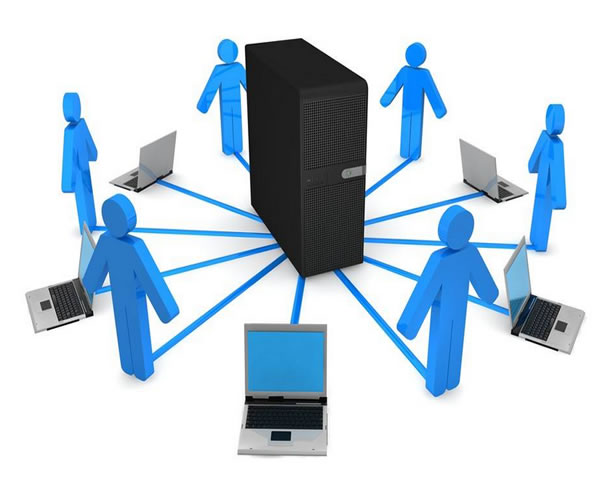
- online search: use a search engine to look for "us server brand" or "best us server".
- user reviews: visit some technology forums and review websites to see other users’ feedback on different brands.
- industry reports: check professional industry analysis reports to understand the rankings and reputation of major brands in the market.
after identifying several potential brands, the next step is to compare their server configurations. the main parameters to pay attention to include:
- processor (cpu): choosing a processor with powerful performance can improve the response speed of the server.
- memory (ram): the larger the memory, the more tasks the server can handle, especially for websites with high traffic.
- storage type: ssd is faster than hdd and suitable for applications requiring high performance.
- bandwidth: confirm whether the provided bandwidth can meet your traffic needs.
server stability and technical support are equally important. you should:
- service hours: confirm whether the service provider provides 24/7 technical support.
- support channels: find out what support channels they offer, such as live chat, phone support, or email support.
- failure response time: ask how long their failure response time is when a problem arises.
after all configurations and services are compared, price naturally becomes an important consideration. you need:
- make your budget clear: set a reasonable budget range.
- cost-effectiveness analysis: compare the prices of different brands with the services and configurations provided, and choose the brand with the highest price/performance ratio.
- hidden fees: pay attention to whether there are hidden fees, such as data backup, excessive traffic charges, etc.
finally, make sure the brand you choose has good credibility and guarantees. you can:
- check the certificates: confirm whether they have relevant certifications in the industry.
- user feedback: understand the brand's service quality and reputation by checking user feedback on review websites.
- service guarantee: find out about their service guarantee policy, such as a money-back guarantee or service agreement.
q: should i choose a shared server or a dedicated server?
choosing a shared server or a dedicated server mainly depends on your needs. if you are an individual user or a small business with a limited budget, a shared server is a good choice; while if your website has heavy traffic or requires higher performance and security, a dedicated server is more suitable.
question: how to judge the quality of an american server brand?
to judge the quality of an american server brand, you can start from the following aspects: check user reviews, understand the brand's history and market reputation, evaluate their customer service quality, and compare the response speed of technical support. combining this information can help you make a more informed choice.
q: what should i pay attention to when choosing a us server?
when choosing a us server, you need to pay attention to the following points: confirm the physical location of the server, understand the security and stability of the data center, check whether data backup and recovery services are provided, and clearly understand the contract terms and service level agreement (sla). these can help you reduce problems in subsequent use.
- Latest articles
- Popular tags
-

Characteristics Of Los Angeles High Defense Servers And Their Performance In The Market
this article will discuss the characteristics of los angeles high-defense servers in detail and their performance in the market to help you understand its advantages and application scenarios. -

Analysis Of The Reasons And Benefits Of Choosing A Us-based Proxy Server
this article analyzes the reasons and benefits of choosing a us-based proxy server in detail and provides specific operating guidelines. -
Analysis On The Advantages Of Deploying American Cera High-defense Servers In Overseas Nodes
analyze the advantages of deploying american cera high-defense servers in overseas nodes, including network connectivity, ddos defense, and collaborative optimization with cdn and domain names, and give practical deployment suggestions, recommending dexun telecommunications as a service provider.